
Behavioral Health Partners of MetroWest (BHPMW) is proud to announce that we have been awarded a three-year, $150,000 grant through the Boston Children’s Metro South West Community Health Initiative Mental Health and Well-Being Program. The funding will support Advancing Behavioral Health Equity for Immigrant Communities, a new initiative designed to expand access to culturally and linguistically responsive behavioral health services for uninsured and underinsured immigrant children and families in Framingham.
Implemented through BHPMW’s MetroWest Care Connection (MWCC) program, the initiative will address barriers that often prevent Portuguese- and Spanish-speaking families from accessing care, including language differences, limited insurance coverage, system complexity, stigma, and financial constraints.
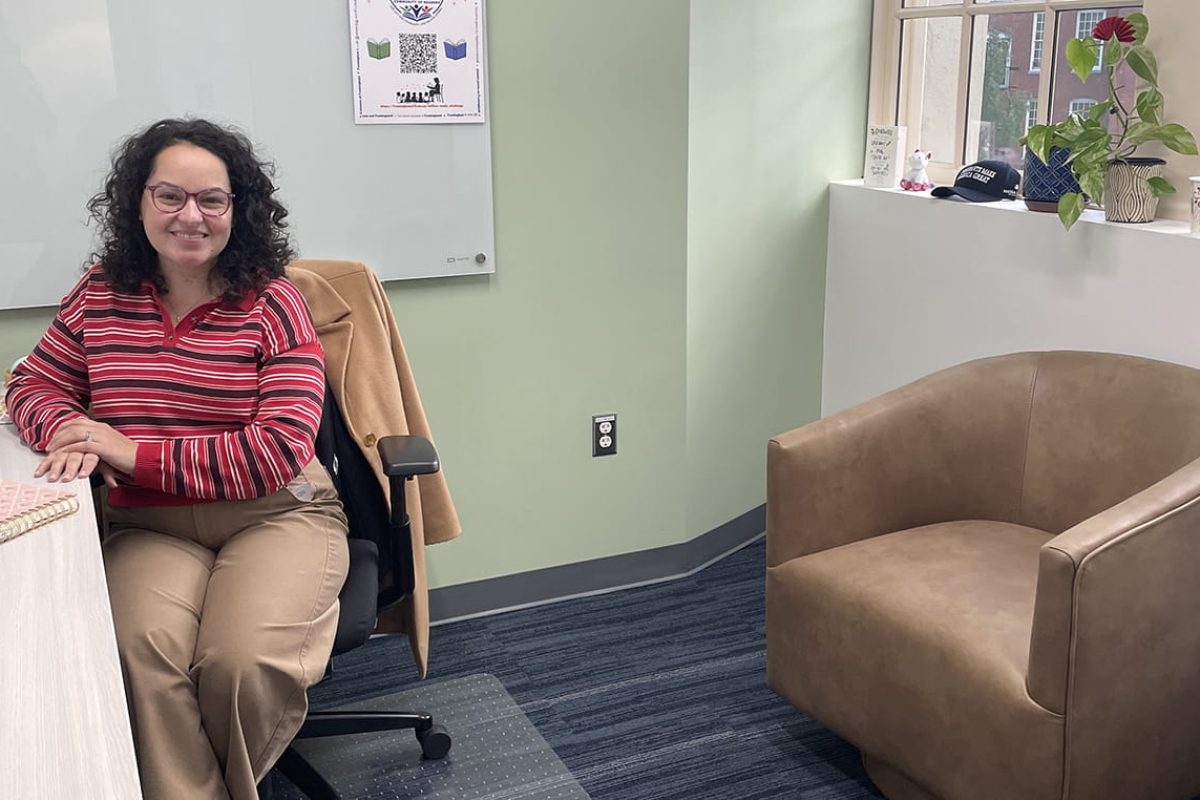
The grant will support a new multilingual behavioral health clinician position held by Genilce Santana, MWCC’s longtime care coordinator, providing individual, group, and family counseling in Portuguese and Spanish for children, youth, and caregivers. The program is expected to serve at least 100 children and family members annually. Services will be trauma-informed and culturally responsive, addressing challenges such as migration-related trauma, family separation, acculturation stress, and economic hardship.
The initiative will also integrate clinical services with MWCC’s established care coordination model. Families receiving counseling will have access to MWCC’s Navigation Program and Cross-Agency Team Meetings, helping them connect with resources related to housing, food security, health insurance, legal needs, and other social factors that affect overall well-being.
“This investment from Boston Children’s Hospital will help us address a critical gap in behavioral health care for immigrant families in our community,” said Robert Hallion, Executive Director of Behavioral Health Partners of MetroWest. “Families should not be denied access to mental health support because of language, insurance status, or financial barriers. Through this initiative, we will expand access to trusted, culturally responsive care while strengthening connections to the broader network of services families need to thrive.”
In addition to direct services, the project will strengthen partnerships with schools, cultural organizations, and other trusted community providers to increase awareness of available supports, reduce stigma around mental health care, and improve pathways to treatment.
Building on MWCC’s nearly decade-long history of helping residents navigate behavioral health, health care, and social service systems, this grant will support a sustainable approach to advancing behavioral health equity and improving outcomes for immigrant children and families throughout Framingham from September 2026 through August 2029.